.webp)
You send messages, you wait, and… nothing happens. If outreach feels like it disappears into a void, you have lots of company.
Most small business owners hit the same wall, and the reasons usually come down to two things:
✖️ messages feel generic
✖️ they reach the wrong person at the wrong moment.
That said, a 2026 Hunter report shows that 65% of decision-makers say cold messages fail because they feel too sales-focused. The issue is rarely your product.
Below are the 8 most common slip-ups that kill replies, plus simple fixes you can try this week.
1. Generic messages that scream copy-paste
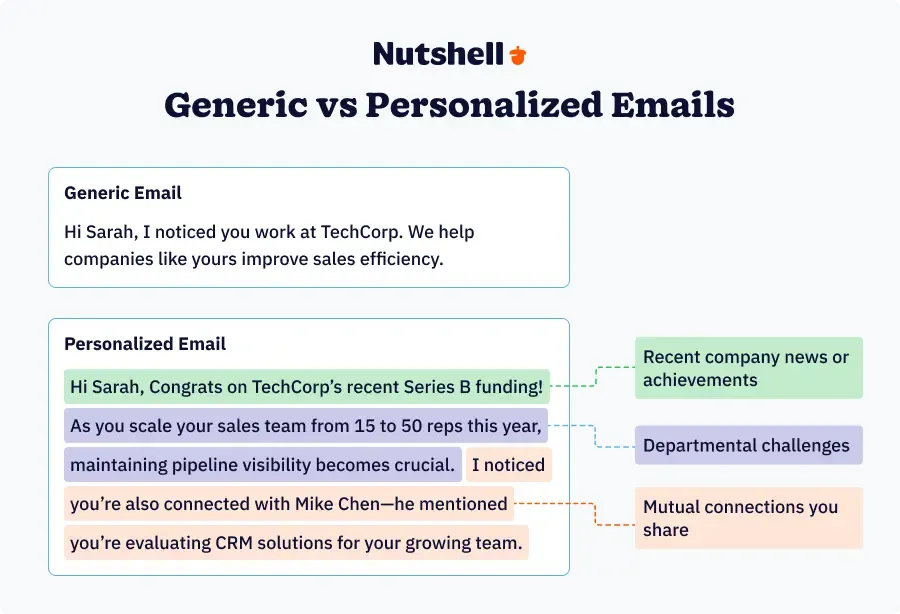
Generic messages get ignored faster than ever. People can spot a templated email from the first line, and once they do, the message goes straight to trash or worse, spam.
The fix is small but powerful: make every message feel like it was written for one person, not 5,000.
Watch for these red flags in your own emails:
- Opening with "I hope this finds you well" and nothing else specific
- Mentioning a generic pain point any company in the industry might have
- Using the recipient's first name in three different places, a dead giveaway of a mail-merge
- Pitching your product before you say anything about them
- Closing with a calendar link before any conversation starts
Try opening with one specific detail you found about their company. AI-written sequences can now draft these openers per prospect using real data, so even higher volume can keep that one-to-one feel.
2. Pulling lists from the same tired databases
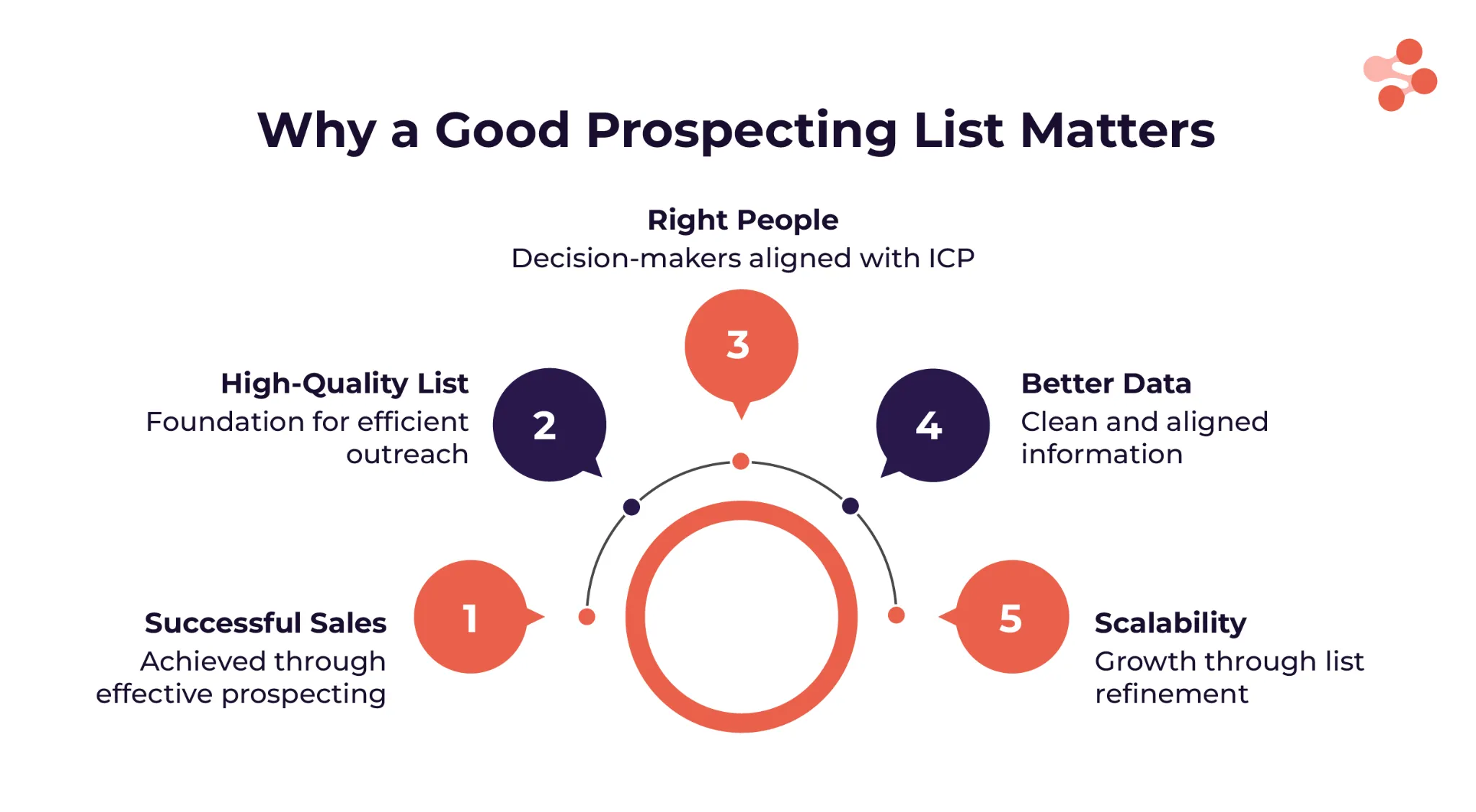
Wrong-fit prospects are the silent killer of small business outreach. You can write a beautiful message and still get zero replies if it lands with someone who has no budget, no need, or no decision-making power.
Most small businesses also pull from the exact same databases as their competitors, so they fight for attention from prospects who are already swamped with emails.
In the same study by Hunter, sequences targeted at 21 to 50 recipients pulled reply rates 158% higher than blasts to 500 or more contacts. Smaller, sharper lists win.
To fix this, narrow your ideal customer profile, then look beyond the usual sources. Lookalike prospecting tools can pull people who match your best customers from places like LinkedIn, job boards, niche directories, and Google Maps.
Those sources are the ones most teams ignore, which is why fresher lists tend to outperform massive ones every time.
3. Skipping research and live signals before sending
Most outreach fails because the sender skipped five minutes of homework. Your prospect can tell when you've spent thirty seconds on their LinkedIn versus when you genuinely understand what their company does.
Quick research can change this. Try a 5-minute routine before you send anything: skim the company homepage, the prospect's recent LinkedIn posts, and their open job listings. The latter often reveals what they're investing in this quarter.
This above works, but it’s the old way of doing things.☝️
The new way skips most of that manual digging. Now, a platform like Leadspicker has a waterfall enrichment feature that runs through multiple data providers in the background, pulls verified emails, phone numbers, job titles, tech stack, and company details into one clean profile before you ever open LinkedIn.
So instead of spending five minutes per prospect hunting for context, you can spend those five minutes deciding what to say. The research happens once, in the background, and every contact in your list shows up enriched and ready.
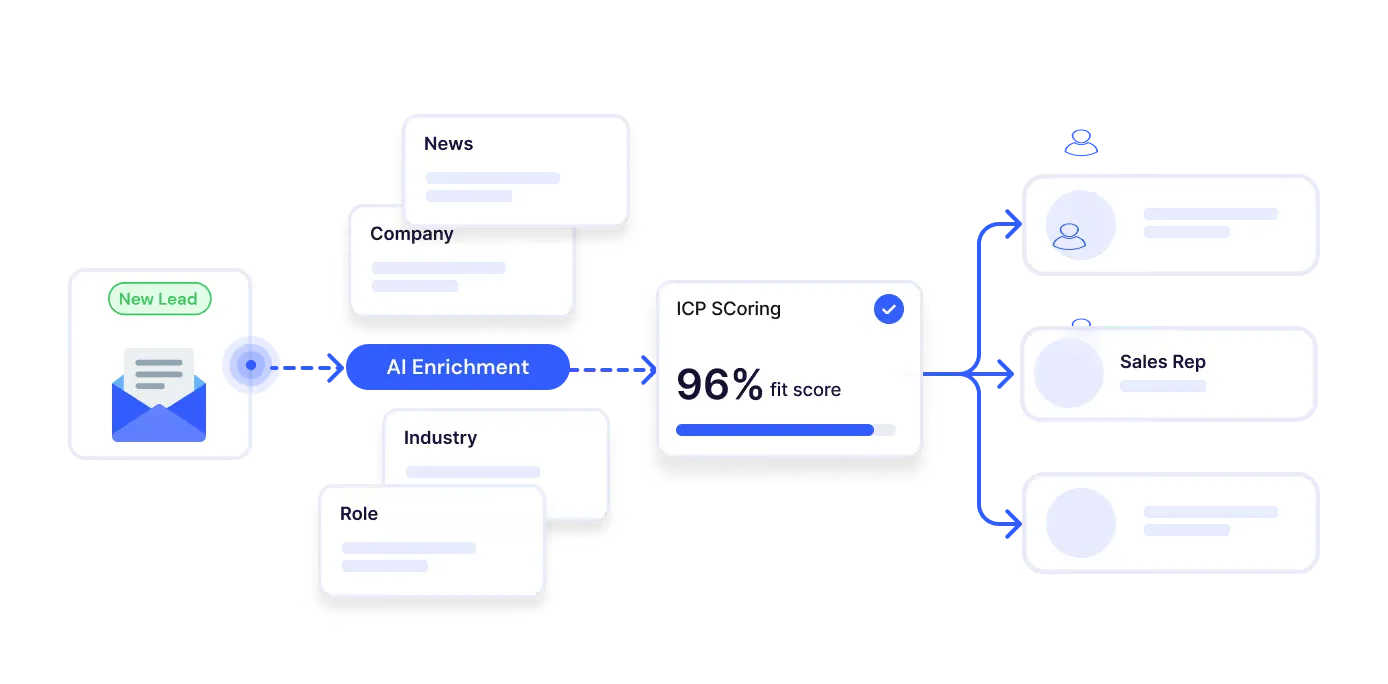
Real-time signal tracking can take this further by alerting you when a target hires a new VP, raises funding, or posts a role that matches your offer. Reaching out the same day a buying signal fires can lift reply rates more than any subject line ever could.
4. Quitting after one email goes unanswered
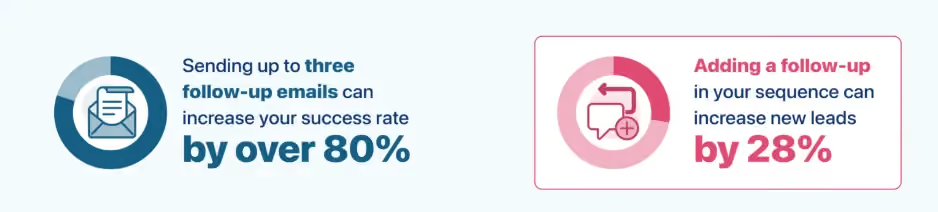
Reps stop after the first message thinking silence means rejection. In reality, silence often means the prospect saw your email at a busy moment and forgot.
In 2026, follow-up emails generate roughly 42% of all campaign replies, but nearly half of reps never send a second message. Half the conversation potential, gone.
A few simple rules to keep follow-ups from feeling pushy:
- Wait 3 to 5 business days before each touch, not 24 hours
- Add a fresh angle each time (a case study, a question, a relevant article)
- Keep each follow-up shorter than the one before it
- Stop at four messages and bow out politely
Multichannel sequences that mix email and LinkedIn can carry this load for you, branching automatically based on what the prospect does. Manual follow-ups burn out reps long before they burn out prospects.
5. Pitching too early in the conversation
Selling on the first message is one of the fastest ways to lose a prospect. People can sense urgency from your side, and it pushes them away. The first email's job is to start a conversation, not close a deal.
Think of cold outreach as a slow handshake. You earn the right to pitch by showing you understand the person's world. A single question, a useful insight, or a small piece of value goes much further than a calendar link wedged into the second paragraph.
A simple rule: if your first message can be answered with "yes" or "no," you're closer to the right zone. If it requires the prospect to commit thirty minutes to a demo, you're already lost.
Lead with curiosity. Sell once they show interest. The order matters more than most people realize.
6. Weak subject lines that kill open rates
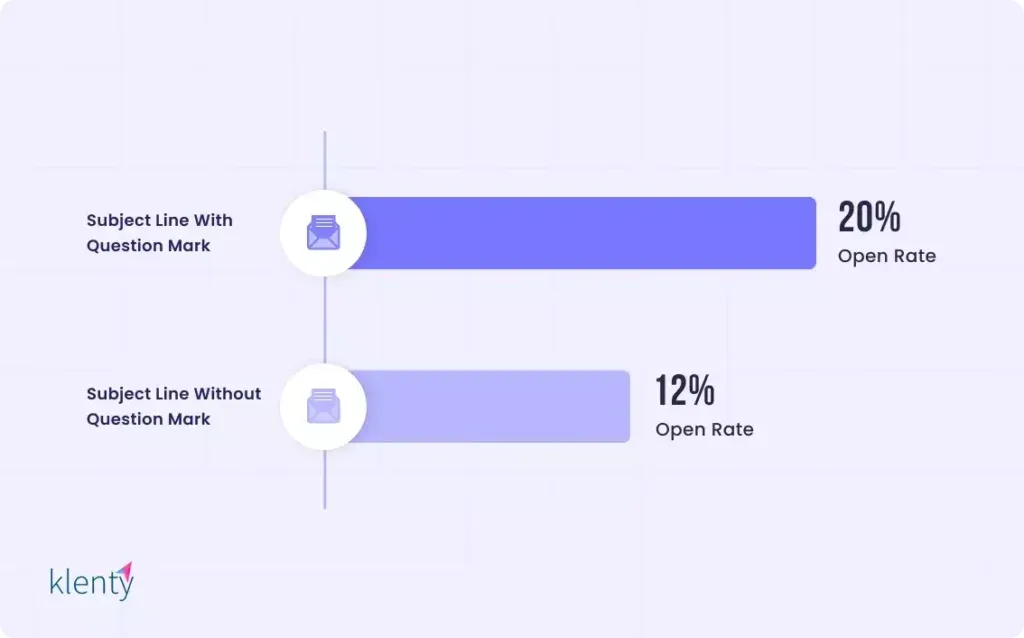
Subject lines decide if your message gets opened or trashed in half a second. If yours sounds like marketing or feels vague, it's gone.
A Sales Handy analysis showed 70% of email recipients mark messages as spam based on the subject line alone. That's brutal pressure on a few words.
Strong cold subject lines tend to share a few traits:
- Short enough to read on a phone (under 6 words works well)
- Lowercase or sentence case, like a real person typed it in a hurry
- Specific to the recipient or their company
- Free of marketing words like "exclusive," "limited," or "transform"
- Free of any emojis or symbols
A few options that often pull strong opens: "quick question about {their company}," "a small idea for {team}," or just the recipient's first name with a comma. Test two subject lines per campaign and let the data decide which one earns the next round.
7. Juggling five tools to run one campaign
Most small businesses run outreach across a database, an enrichment tool, a sequencer, an inbox, and a spreadsheet. Numbers live in five different places. So nobody really knows what's working.
Pulling everything into one platform changes outcomes fast. When prospecting, enrichment, multichannel sequences, and a unified inbox all sit in one workflow, the data tells one story instead of five.
AI agents can run the full pipeline in the background, finding prospects, cleaning the data, sending sequences, and routing replies, while your team focuses on the conversations that matter. Once you can see open rates, replies, and bookings in the same view, the patterns get obvious.
The core metrics worth watching each week:
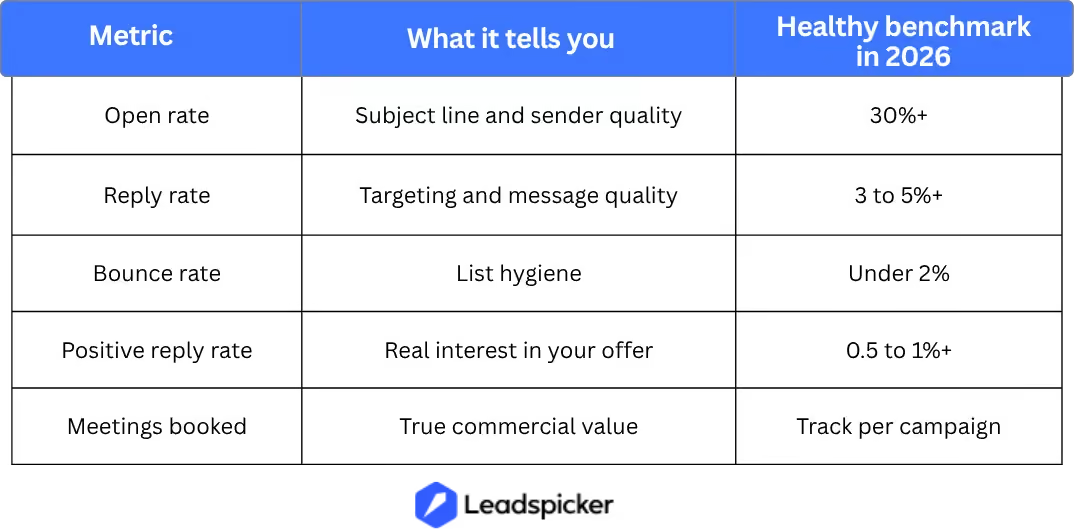
Pick two metrics to improve each month. Change one variable at a time so you know what moved the needle. Outreach feels less like luck once you can see the patterns in your own data.
8. Scaling before the basics start working
Most small businesses try to grow outreach by sending more, faster. They buy a bigger list, add another tool, or hire a virtual assistant before the first version of the playbook works for anyone. So the failure scales too.
The fix is honest and a little boring: get one campaign to produce real meetings before you copy it. A single working sequence beats five broken ones.
Once you have a winning play, growth comes from two levers: more reps doing the same play, or AI agents running your prospecting and outreach around the clock.
Some small teams also stretch their budget by hiring across borders, where a strong SDR in another country can cost half of what a local hire would. Before you go that route, it helps to know what hiring abroad costs so you can compare it honestly against a local hire.
Whichever route you pick, scale only what works.
The compounding power of one good campaign
Almost every outreach problem has a fix that takes minutes, not months. Tighten your list. Write like a human. Send a few thoughtful follow-ups. Watch your numbers and let them guide your next move. None of this requires a bigger team or a fancier tool, though pulling everything into one workflow can save hours each week.
Small businesses that treat outreach as a craft, not a numbers game, can outperform much larger teams within a quarter. Start with one campaign, fix one mistake, and let the wins compound from there.
Ready to fix the eight mistakes above without juggling five tools? Book a demo with Leadspicker and see how AI agents can run your full outreach pipeline in one place.


.webp)